Why Mobile Access Matters for Shift Workers
Most shift workers don't check schedules from a desk. If your scheduling system assumes they will, you'll keep fighting no-shows, missed swaps, and confusion that a phone could have prevented.
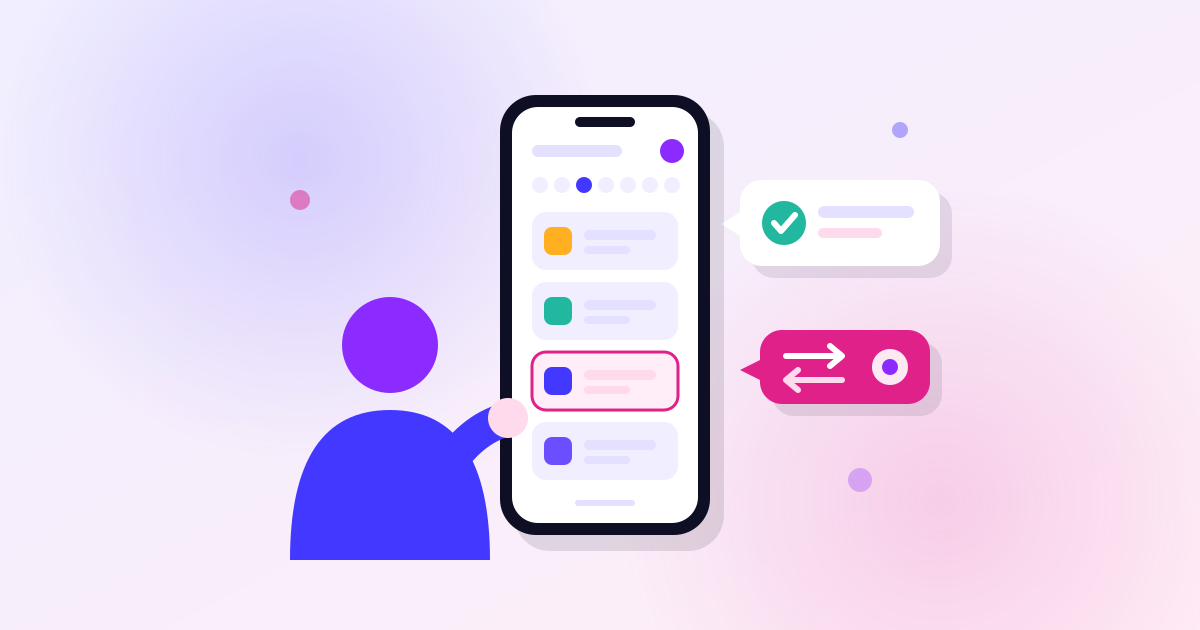
Shift workers find out about their schedule, their swaps, and their time-off status on their phone, often on a bus, between tasks, or right before a shift starts. If the only way to check a schedule is a printed sheet on the break-room wall or a desktop system nobody can reach from the floor, you're building friction into a job that already has very little slack. Mobile access isn't a nice-to-have feature — it's the difference between information reaching people when it's useful and information reaching them too late.
What Breaks Without It
Think through a normal week for a retail or warehouse employee. They don't have a company laptop. They might not even have a personal email they check daily. What they do have is a phone, and that's where every practical interaction with their work schedule needs to happen.
Without mobile access, here's what typically goes wrong:
- Employees call or text the manager to ask "am I working Thursday?" instead of just looking it up, which eats manager time all week.
- A shift gets posted to an open-shift board but nobody sees it until the next day, so it goes unfilled when someone could have grabbed it on their commute home.
- A sick employee can't put their shift up for swap in time because they're waiting until they get home to a computer.
- Schedule changes posted on a wall or in a shared drive get missed entirely by anyone who isn't physically in the building that day, including the person it affects most.
Each of these is a small annoyance on its own, but together they add up to missed coverage, last-minute scrambling, and employees who feel out of the loop about a job that directly affects their income.
What to Actually Look For
If you're evaluating how your team gets schedule information, don't settle for "there's an app" as the full answer. Check these specifics:
- Works on any phone, not just one OS. A lot of frontline teams have a mix of Android and older or budget devices. If half your staff can't install the app, you haven't solved the problem — you've solved it for some people.
- No login friction. A worker checking their shift at 7am before a 7:30 start doesn't have time to reset a forgotten password. Simple, persistent sign-in matters more than people expect.
- Push notifications, not just an inbox. Schedule changes, approved swaps, and open shifts need to reach someone without them having to open the app and check. A notification that quietly disappears without a buzz or badge gets ignored.
- Two-way, not just read-only. Employees should be able to request time off, accept an open shift, or put their own shift up for swap from the same phone — not view-only access that still routes everything back through a manager's desk.
The Manager Side of the Same Coin
Mobile access cuts both ways. A manager approving a swap request or checking who's covering a call-out shouldn't need to be at a desk either. If approvals sit in an inbox that only opens on a computer, you've just moved the bottleneck instead of removing it. The goal is that schedule information — who's working, who swapped, who's out — moves at the speed of a phone, for everyone involved, not just the people setting the schedule.
The underlying point is simple: shift work happens away from desks, so the tools around it need to work away from desks too. Anything that requires a computer to use well will quietly get used badly.